THE ANSWER
Corporate buyers need documents as much as price: contract, invoice, declaration, acceptance acts. We work with that package.
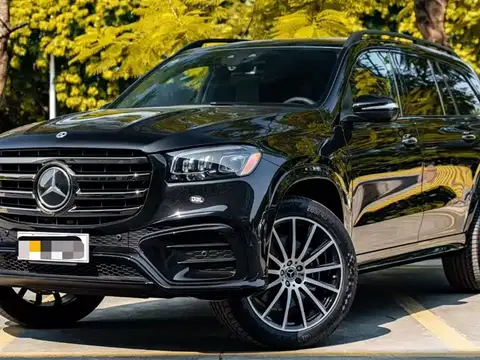
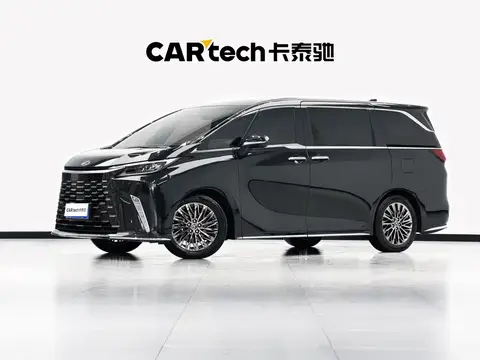
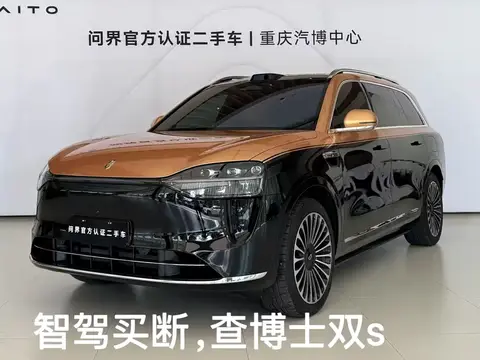
A batch can mix models and specifications. We source to the task: budget, class, destination city.
Timing and cost are fixed in the contract. An inspection report is provided for every car.
What this means in practice
Fleet supply needs predictability, not only a low price per car: schedule, documents, acceptance and one contract. We work with companies on an agreed package, including batches and closing documents.
At the start we fix models, budget, destination city and document requirements, then select lots and calculate each VIN. We do not promise “the same price for every car” because the total depends on the specific vehicle.
What to check
Check the supplier against verifiable facts: legal name, USCC, address, contract and the documents for the exact lot. We operate as the export arm of Anhui Zhongsu Luosi Automobile Sales Co., Ltd., so the deal shows who sells the car, who arranges logistics and who is responsible for clearance.
Before the balance is paid, the buyer receives the lot number, photos, inspection video and a list of findings. If the vehicle does not match the description, the deal can be stopped before shipping. That matters more than a polished “turnkey” promise: verified information must arrive before the money, not after it.
When comparing offers, ask three questions: who is the seller under the contract, which documents will be issued for this VIN, and what happens if the data does not match. If the answers are vague, do not rush a deposit. We put the subject, route, payment order and responsibilities in the contract so the buyer has a verifiable deal, not just a chat.
Our practical rule is simple: verify the documents and the lot first, then compare the price. A discount does not compensate for a missing VIN, contract or pre-payment inspection report. We answer deal questions in English and put the agreed points in writing so there is a clear record for both sides.
The next step is decided by three documents: the lot card with the VIN, the inspection report and an estimate with clear lines. First confirm that the car and documents match, then calculate the route and registration, and only then discuss payment. If data is missing, we do not substitute a “similar” lot or confirm a final figure — we ask for the missing detail. This takes longer at the start, but it reduces surprises after dispatch and lets the buyer compare offers on facts rather than promises.